One-Day Delhi Itinerary Under ₹500: A Complete Budget Travel Guide (2026)
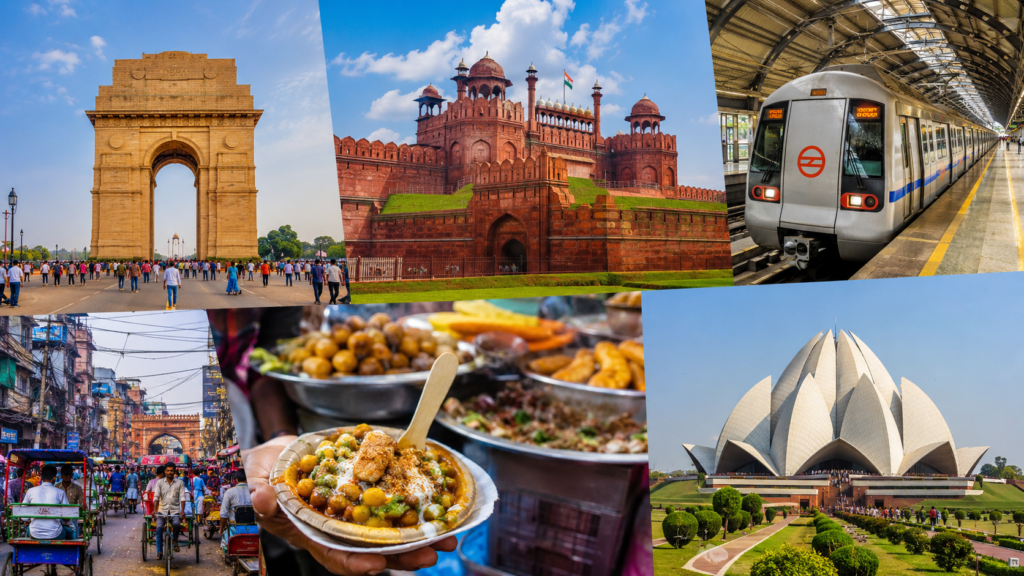
Think you need thousands of rupees to explore Delhi? Not at all. With a little planning, you can visit some of the city’s most famous attractions, enjoy authentic street food, and travel comfortably using the Delhi Metro — all while staying within a budget of ₹500.
I’ve followed a similar route more than once while showing friends around Delhi. Instead of relying on cabs, we used the Delhi Metro and explored some of Delhi’s most famous landmarks on a small budget. What surprised us most was that even after visiting historical sites and enjoying local street food, we still stayed well within ₹500. That’s why I often recommend this itinerary to anyone looking for an affordable way to experience Delhi.
If you’re a student, solo traveller, couple, or first-time visitor, this itinerary will help you experience the best of Delhi without spending a fortune.
Can You Really Explore Delhi Under ₹500?
Yes — comfortably, in fact. Delhi’s Metro network, affordable street food, and several free or low-cost attractions make a full day of sightseeing possible without overspending. The trick is picking a route that keeps you on one or two Metro lines and avoiding cabs for short hops.
Real Cost Breakdown for a ₹500 Delhi Day
| Item | Approx. Cost |
|---|---|
| Metro travel (multiple rides across the day) | ₹80–120 |
| Breakfast (chole bhature / paratha + chai) | ₹60–80 |
| Humayun’s Tomb entry (Indian nationals) | ₹35 |
| Lotus Temple entry | Free |
| India Gate | Free |
| Evening street snack (chaat / bhelpuri) | ₹40–60 |
| Water + miscellaneous | ₹30–50 |
| Total | ₹245–345, leaving a buffer for extra snacks or a Metro card top-up |
Prices are approximate as of 2026. Metro fares and monument entry fees are revised periodically, so it’s worth checking the DMRC app and the ASI (Archaeological Survey of India) website before you go.
Most travellers can comfortably complete this itinerary within a ₹500 budget. Your total expense usually includes Metro travel, meals, snacks, and any applicable entry fees. Actual costs may vary depending on your food choices, transport, and current ticket prices. Keeping a small buffer in your budget is always a good idea for unexpected expenses.
Why Delhi Works So Well for Budget Travellers
Delhi offers a rare mix of history, culture, shopping, food, and reliable public transport in one compact route. You can start the day among centuries-old Mughal monuments, eat some of India’s best-known street food for lunch, unwind in a garden by evening, and get between all of it on the Metro — no cabs required.
Some of the city’s most memorable experiences, like walking through Old Delhi’s lanes or watching the sunset at India Gate, don’t cost anything at all.
Best Time to Follow This Itinerary
October to March is ideal, with daytime temperatures in a comfortable 15–25°C range — good for a walking-heavy day. If you’re travelling in peak summer (May–June), when afternoons can cross 40°C, start early and adjust the order so indoor or shaded stops fall in the hottest hours. During the monsoon, carry a compact umbrella.
Morning: Explore the Heart of Old Delhi
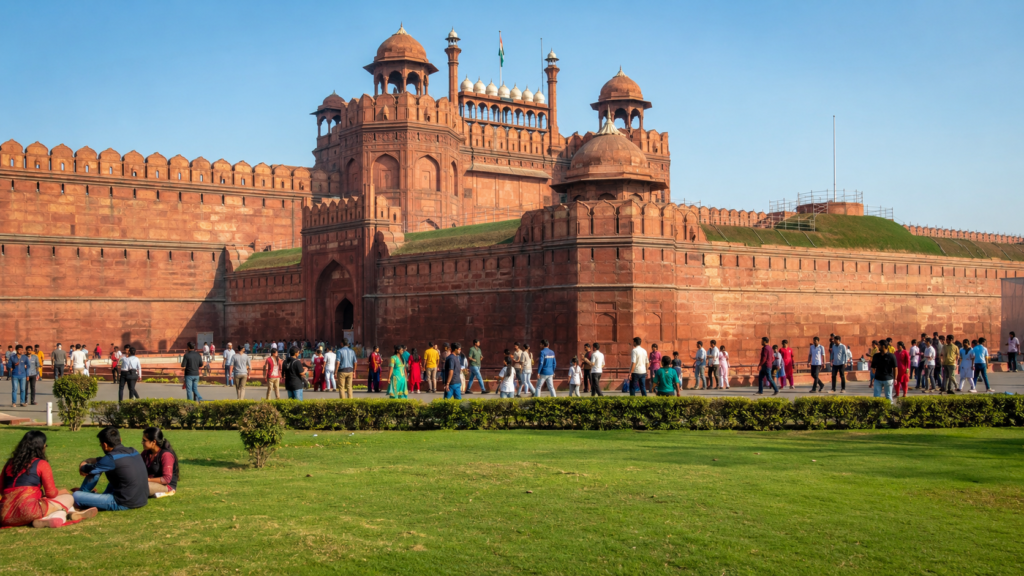
Start around Red Fort and Jama Masjid, two of Delhi’s most recognisable landmarks. Even without going inside every monument, simply walking through Old Delhi’s streets is worth the trip.
From there, head into Chandni Chowk, one of India’s oldest markets. Narrow lanes, spice shops, and heritage buildings create an atmosphere that’s hard to find anywhere else in the city.
Before moving on, grab breakfast from a busy local eatery — chole bhature, bedmi puri, stuffed parathas, or a cup of hot masala chai are all affordable and authentic.
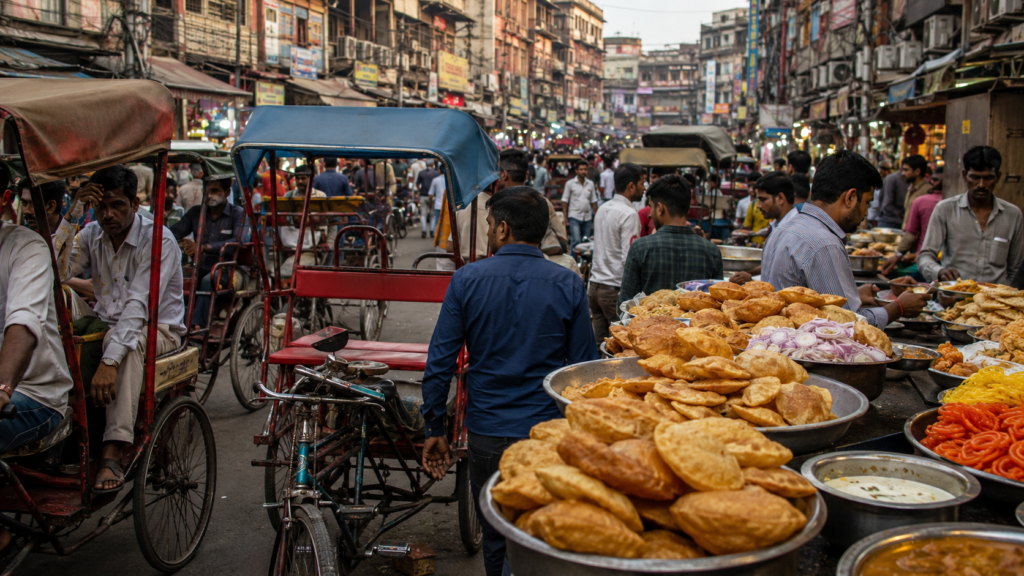
Travel tip: Pick stalls that are busy with locals rather than the ones aimed at tourists — turnover means fresher food and usually a fairer price.
Afternoon: Delhi’s Iconic Landmarks
After breakfast, take the Metro — the fastest and cheapest way to cover ground in Delhi.
Your next stop is Humayun’s Tomb, one of the city’s most striking heritage sites and a UNESCO World Heritage Site. Its gardens and Mughal architecture make it a strong spot for photos and a slower-paced walk.
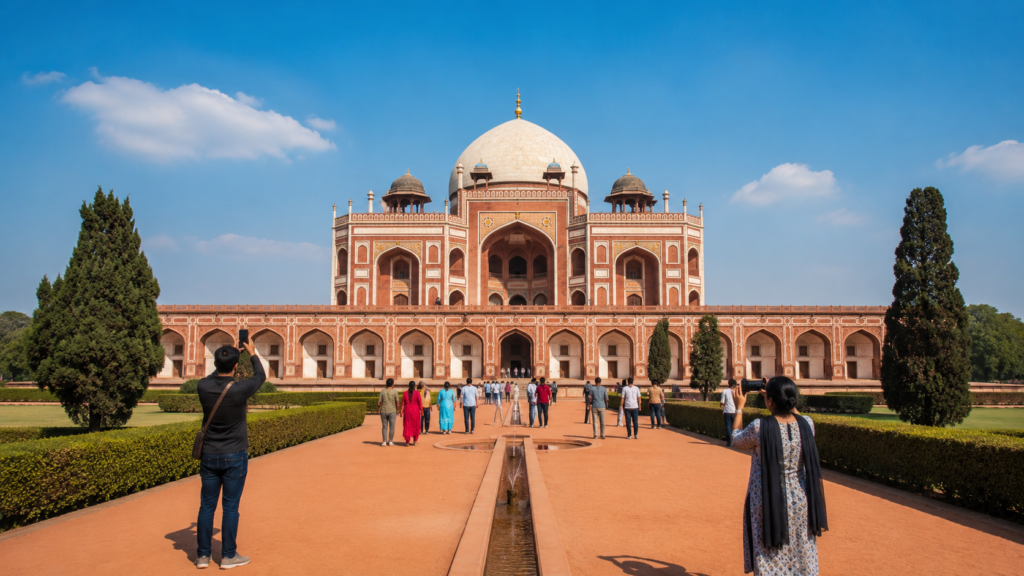
From there, head to the Lotus Temple. Its lotus-shaped structure draws visitors from around the world, and the prayer hall inside offers a genuinely calm break from the city’s noise.
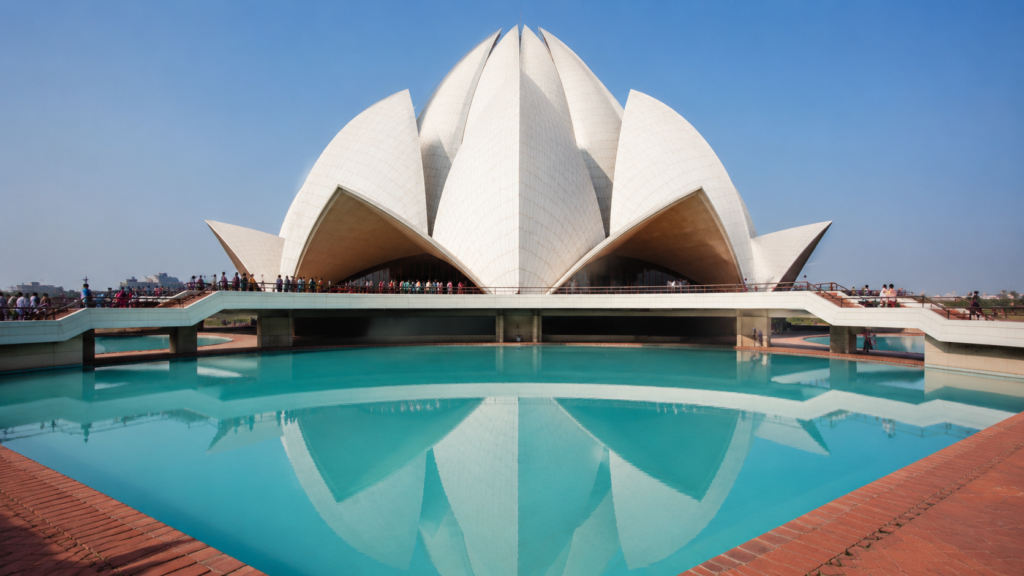
Next, make your way to India Gate. There’s no entry fee, and the lawns around it are a good spot to sit, people-watch, and take photos.
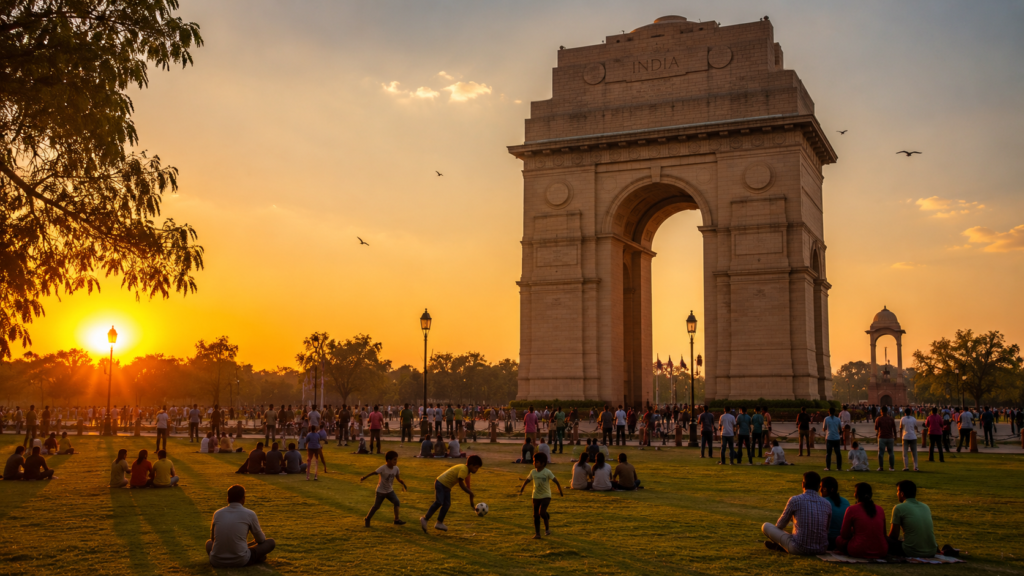
If you’re hungry, pick up chaat, roasted corn, or bhelpuri from a nearby street vendor — cheap, filling, and a Delhi essential.
Evening: Shopping or Relaxation
How you close the day depends on what you’re in the mood for.
If you like shopping, Sarojini Nagar Market has trendy, budget-friendly clothes and accessories. Even window-shopping here is worth the visit.
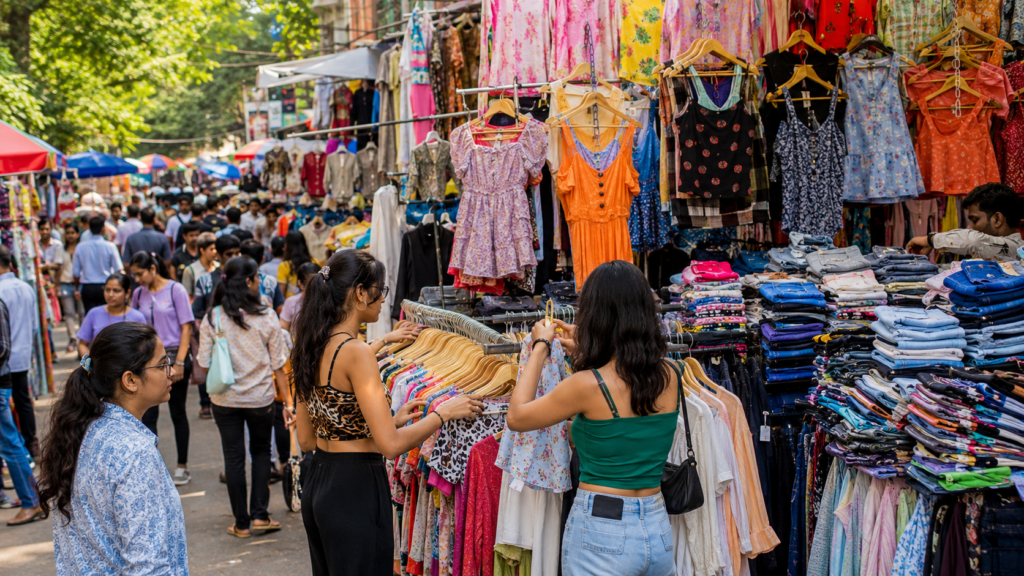
If you’d rather wind down quietly, Lodhi Garden is a good alternative — lush greenery and historic tombs make it a peaceful place to end a busy day.
Both are well connected by Metro, so getting there won’t add much to your travel budget.
Budget Travel Tips
- Use the Delhi Metro instead of cabs for anything under 5 km.
- Carry a reusable water bottle to cut down on bottled water costs.
- Wear comfortable walking shoes — this itinerary involves a fair amount of walking.
- Start early to beat both crowds and, in summer, the heat.
- Keep some cash on hand along with UPI for small vendors who may not accept cards.
- Check monument opening hours in advance — several close on Mondays or specific weekdays.
What to Carry
A light backpack with a water bottle, power bank, sunglasses, sunscreen, comfortable shoes, and a government ID (needed for some monument entries) covers most of what you’ll need. In monsoon season, add a compact umbrella or raincoat.
Common Mistakes to Avoid
The most common way travellers blow this budget is by defaulting to cabs for short distances, eating exclusively at tourist-facing restaurants, or trying to cram in too many attractions. A slightly slower, well-planned day is both cheaper and more enjoyable than a rushed one.
Who Should Follow This Itinerary?
This route suits students, solo travellers, backpackers, couples, and families looking to see Delhi’s highlights without overspending — and it’s especially useful for first-time visitors who want an efficient, low-cost introduction to the city.
Frequently Asked Questions
Is ₹500 enough for a one-day trip to Delhi?
Yes. A typical day runs ₹245–345: around ₹100 on Metro fares, ₹150–200 on food across breakfast and street snacks, and ₹35 for the only paid monument on this route (Humayun’s Tomb). Lotus Temple and India Gate are free.
Which transport is best for sightseeing in Delhi?
The Delhi Metro. Every stop on this itinerary — Old Delhi, Humayun’s Tomb, Lotus Temple, India Gate — is within a 10–15 minute walk of a Metro station, and total fares for the day typically come to ₹80–120.
What is the best season to visit Delhi?
October to March, with daytime temperatures in a comfortable 15–25°C range. Avoid peak summer (May–June) if possible, when afternoon temperatures can exceed 40°C.
Is Delhi safe for solo travellers?
Delhi is generally safe for daytime sightseeing along well-trafficked tourist routes like Chandni Chowk, India Gate, and the Metro network. Standard precautions — staying alert in crowded markets, securing valuables, and using licensed transport — apply here as they would in any major city.
Conclusion
Exploring Delhi doesn’t have to be expensive. With smart planning, public transport, and a bit of curiosity, you can experience the city’s history, food, markets, and landmarks in a single day without spending more than ₹500.
If this guide helped you plan your trip, explore more Delhi travel guides, budget itineraries, and weekend getaway ideas on ExploreNChill.online.
Best Cafes in Majnu Ka Tila: 12 Must-Visit Cafes for Food, Coffee & Cozy Vibes (2026 Guide)
If you’re searching for the best cafes in Majnu Ka Tila, you’re in for a treat. Popularly known as Delhi’s Little Tibet, Majnu Ka Tila (MKT) is one of the city’s favorite food destinations, offering everything from authentic Tibetan dishes and Korean cuisine to artisan coffee, desserts, and cozy rooftop cafés.
Whether you’re planning a casual coffee date, a solo work session, or a weekend food trail with friends, this guide covers the top cafés worth visiting.
Quick Answer
The best cafes in Majnu Ka Tila include AMA Café, Wongdhen Cafe, Roaffees, Himalayan Java Coffee, Norwang Cafe, Signature Cafe, Aro Momo & Cafe, Kham Coffee House, Woeser Cafe & Bakery, and Kalsang’s Living Room. These cafés are known for their unique ambience, Tibetan cuisine, specialty coffee, and affordable pricing.
1. AMA Cafe
Probably the most popular café in Majnu Ka Tila, AMA Café is famous for its all-day breakfast, pancakes, cheesecakes, coffee, and cozy European-style interiors. Expect a waiting time during weekends because it’s a favorite among students and tourists.
Must Try:
- Pancakes
- English Breakfast
- Cheesecake
- Cappuccino
2. Roaffees | Coffee & Matcha
If you’re serious about coffee, Roaffees is one of the best specialty coffee spots in MKT. The minimalist interiors and quiet atmosphere make it ideal for reading, working, or catching up with friends.
Must Try:
- Vietnamese Iced Latte
- Matcha
- Cold Brew
- Brownie
3. Signature Cafe Delhi
Known for its rooftop seating and relaxed vibe, Signature Cafe is perfect if you want good food with a view. The menu includes Tibetan, Continental, and Asian dishes.
Best For:
- Sunset views
- Group outings
- Dinner dates
4. Norwang Cafe & Restaurant
Norwang offers a beautiful rooftop ambience along with Tibetan and Asian cuisine. It’s a great place if you’re looking for authentic flavors without leaving Delhi.
Must Try:
- Thukpa
- Chicken Momos
- Fried Rice
- Bubble Tea
5. Himalayan Java Coffee
Originally from Nepal, Himalayan Java Coffee is well-known for serving premium coffee in a calm and comfortable environment. It’s an excellent choice for coffee lovers and remote workers.
Recommended:
- Espresso
- Latte
- Croissants
- Sandwiches
6. Aro Momo & Cafe
If momos are your priority, Aro Momo & Cafe deserves a place on your list. Along with Tibetan snacks, the café serves refreshing beverages and light meals in a casual setting.
Must Try:
- Steamed Momos
- Tandoori Momos
- Tibetan Noodles
7. Kham Coffee House
A hidden gem in Majnu Ka Tila, Kham Coffee House offers a peaceful atmosphere and a mix of Tibetan comfort food and freshly brewed coffee.
Perfect For:
- Quiet mornings
- Solo travelers
- Work-friendly visits
8. Woeser Cafe & Bakery
If you enjoy fresh desserts and baked treats, Woeser Cafe & Bakery is worth visiting. Their cakes, pastries, and coffee pair perfectly for an evening snack.
9. Living Room by Kalsang
This café combines Korean and Tibetan flavors with stylish interiors. It’s a popular choice for people looking to try something beyond traditional café menus.
10. Romeo and Juliet Cafe
A beautifully designed rooftop café known for its romantic ambience, aesthetic décor, and fusion menu. It’s especially popular for date nights and Instagram-worthy photos.
What Makes Majnu Ka Tila Cafes Special?
Unlike many café hubs in Delhi, Majnu Ka Tila offers a unique blend of Tibetan culture, mountain-inspired cafés, and international food options.
You’ll find:
- Authentic Tibetan cuisine
- Korean food
- Specialty coffee
- Rooftop cafés
- Homemade desserts
- Cozy interiors
- Affordable prices
- Walking-friendly food streets
The area’s cultural atmosphere is one of the main reasons it remains popular with both locals and tourists.
Best Time to Visit Majnu Ka Tila
The best time to visit is:
- Weekday mornings for peaceful cafés
- Evenings for rooftop dining
- October to March for pleasant weather
If you’re visiting on weekends, arriving before noon can help you avoid long waiting times at popular cafés like AMA Café. Community reviews also suggest these cafés become especially busy during weekends.
Tips Before You Visit
- Visit on weekdays if you prefer fewer crowds.
- Carry cash or UPI for smaller eateries.
- Wear comfortable shoes since most cafés are within walking distance.
- Try at least one Tibetan dish along with your coffee.
- Explore the local market after your meal.
Frequently Asked Questions
Which is the most famous café in Majnu Ka Tila?
AMA Café is widely regarded as the most popular café because of its breakfast menu, desserts, and cozy ambience.
Which café is best for coffee lovers?
Roaffees and Himalayan Java Coffee are among the top choices for specialty coffee and a peaceful café experience.
Are Majnu Ka Tila cafés affordable?
Yes. Most cafés offer meals and beverages at reasonable prices, making them popular with students, professionals, and travelers.
Which café is best for couples?
Romeo and Juliet Cafe, Signature Cafe, and Norwang Cafe are known for their rooftop seating and relaxed ambience.
Final Thoughts
Majnu Ka Tila has become much more than a food market—it’s one of Delhi’s most vibrant café destinations. Whether you’re craving authentic Tibetan food, handcrafted coffee, delicious desserts, or simply a cozy place to spend a few hours, there’s a café here for every mood and budget. Start with the popular spots, then wander through the lanes to discover smaller hidden gems that make MKT such a memorable place to explore.
Top 10 Timeless Places to Visit in Delhi: And Here’s Why Millions Fall in Love With This City Every Year
Delhi, the capital city of India, is a fascinating blend of history, culture, spirituality, and modern life. From majestic forts to serene gardens, Delhi offers something for every traveler. If you’re planning a trip, here are the top 10 places to visit in Delhi, along with essential travel tips.
Red Fort
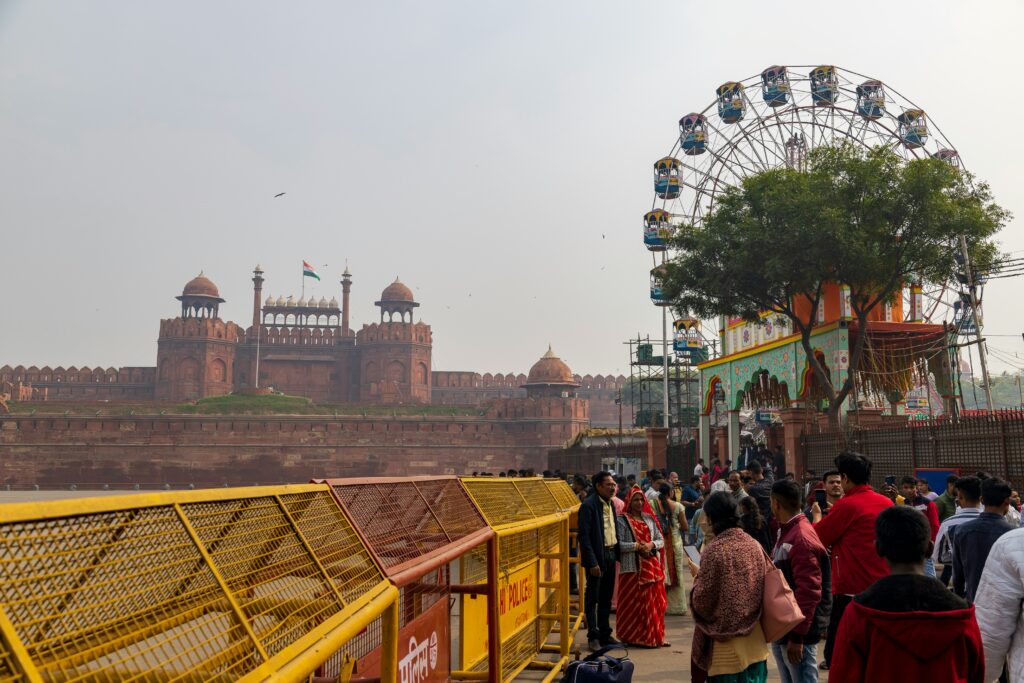
Red Fort, also known as Lal Qila, was constructed in 1639 by Mughal Emperor Shah Jahan as the palace fort of his new capital, Shahjahanabad (Old Delhi). It served as the political and ceremonial centre of the Mughal Empire for over 200 years.
The fort’s red sandstone walls, intricate marble inlay work, and ornate gates exemplify Mughal architecture and grandeur.
Inside, it houses palaces, audience halls, and gardens that showcase India’s rich cultural heritage. It was declared a UNESCO World Heritage Site in 2007 for its historical and architectural significance.
Best Time to Visit
Early Morning (8 AM – 10 AM): Avoid crowds and capture great photos.
Evening (6 PM – 7 PM): Light and sound shows narrate Mughal history beautifully.
What to do
Visiting the Red Fort is like stepping into Mughal history. Begin at the Lahori Gate, admire the massive red sandstone walls, and explore the Diwan-i-Aam and Diwan-i-Khas to see the emperor’s audience halls. Stroll through the gardens, walk along the ramparts for views of Old Delhi, and visit the museums to learn about Mughal culture. End your visit with the evening light and sound show, or step into nearby Chandni Chowk to enjoy famous street food like parathas and jalebi.
How to Reach
- Metro: Lal Qila Metro Station (Violet Line) to 5-minute walk to the main entrance.
- By Auto / Cab: Easily accessible from Chandni Chowk, Connaught Place, and Old Delhi railway stations.
- Parking: Limited inside; better to park outside Chandni Chowk and walk.
2. Jama Masjid
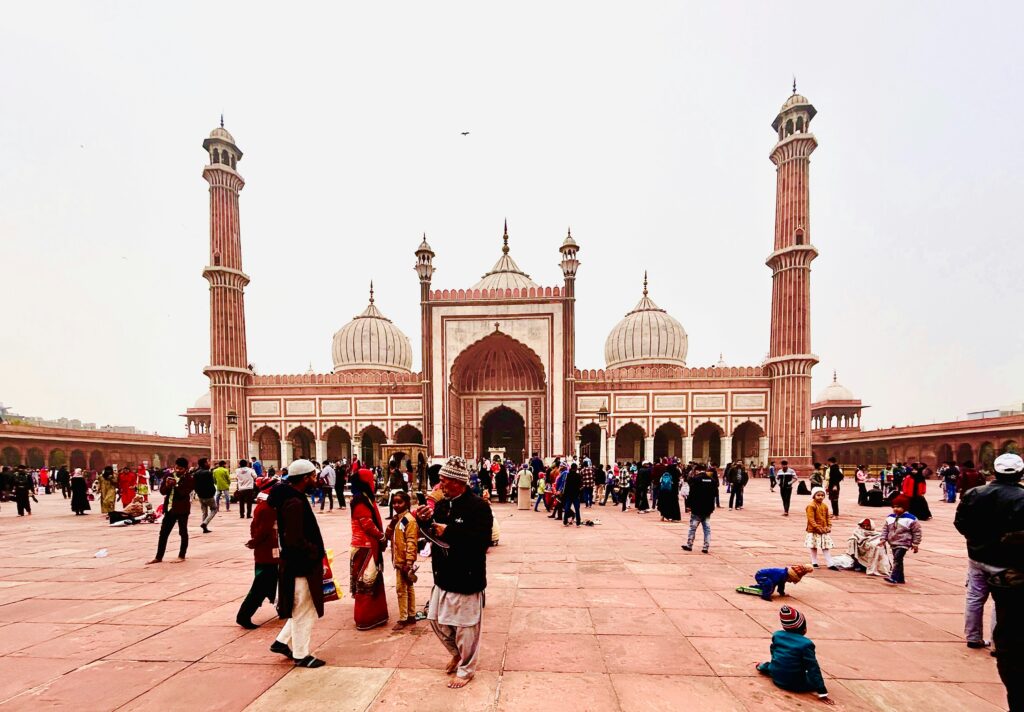
Constructed by Shah Jahan in 1656, Jama Masjid is India’s largest mosque. Its grand domes, two towering minarets, and expansive courtyard showcase Mughal architectural brilliance. It has been a central place of worship and a symbol of Delhi’s cultural and spiritual life for centuries.
Best Time to Visit: Early morning (7–9 AM) or evening (5–7 PM) for peaceful exploration.
What to Do
Climb the southern minaret for breathtaking views of Old Delhi and Chandni Chowk, explore the vast courtyard, and witness the serene atmosphere of this historic mosque. Observe daily prayers and the mosque’s architectural details, including intricate carvings and marble inlays. Early morning visits offer a peaceful experience, while evenings are lively with locals and tourists alike.
How to Reach
- By Bus: Several DTC buses stop near Chandni Chowk.
- By Metro: Take the Violet Line and get off at Jama Masjid Metro Station. From there, it’s about a 5–10 minute walk to the mosque.
- By Auto / Cab: Easily accessible from Red Fort, Chandni Chowk, or Delhi Gate. Autos are convenient for navigating the narrow lanes.
3. Qutub Minar
Qutub Minar, built in 1193 by Qutb-ud-din Aibak, is the tallest brick minaret in the world. The minaret represents Indo-Islamic architecture with intricate carvings and inscriptions from the Quran. The Qutub complex also includes the Quwwat-ul-Islam Mosque and the Iron Pillar, reflecting Delhi’s rich medieval history.
What to Do :
Explore the Qutub Minar complex, photographing the 73-meter tall minaret. Visit the Quwwat-ul-Islam Mosque and see the Iron Pillar, famous for resisting corrosion for centuries. Walk among the ruined structures, gardens, and historic tombs, and learn about Delhi’s Sultanate-era architecture through plaques or guided tours. Ideal for history buffs and photographers.
Best Time to Visit: Morning (8–11 AM), October to March.
What to Do: Explore Qutub complex, Quwwat-ul-Islam Mosque, and the Iron Pillar; photography enthusiasts will love the intricate carvings.
How to Reach:
- Metro: Qutub Minar Metro Station (Yellow Line) → 10-min auto ride
Nearby Food: Local cafés near Mehrauli, small street vendors
My First Solo Trip: Lessons Learned in Delhi
Weekend Getaway to Mussoorie: A Beginner’s Travel Guide
How to Treat Yourself in Delhi for a Day Out
A Day in Delhi: A Perfect 24-Hour Itinerary with Timings
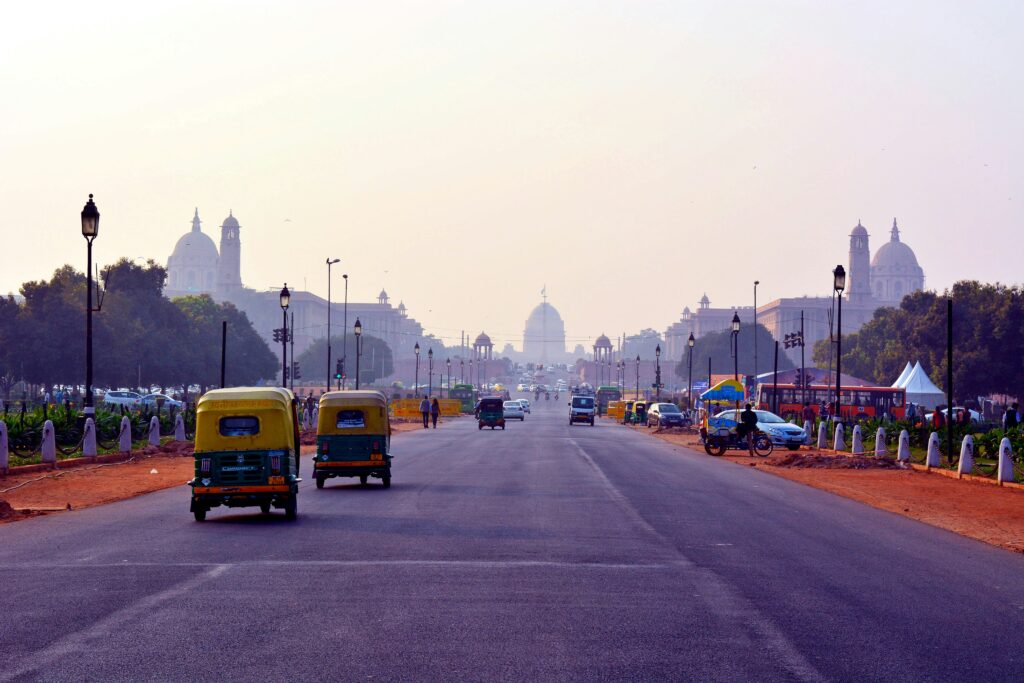
Delhi is a city where history, culture, spirituality, and modern life exist side by side. From centuries-old monuments and bustling bazaars to peaceful shrines and vibrant food streets, Delhi offers countless experiences in a single day. If you have limited time, this one-day Delhi itinerary with timings will help you explore the best of the city without feeling rushed.
7:00 AM – 9:00 AM | Morning in Old Delhi: History & Street Life
Start your day early in Old Delhi, when the streets are less crowded and the weather is pleasant.
Jama Masjid (7:00 AM – 7:45 AM)
Your first stop should be Jama Masjid, one of the largest mosques in India. Built by Mughal Emperor Shah Jahan in the 17th century, this magnificent structure is a masterpiece of Indo-Islamic architecture. Climb the southern minaret for a panoramic view of Old Delhi—red rooftops, winding lanes, and the endless energy of the city below.
Chandni Chowk Walk & Breakfast (7:45 AM – 9:00 AM)
Chandni Chowk is located behind the Jama Masjid, and it’s one of Delhi’s oldest and busiest markets. This is a great place to look around and absorb the atmosphere. You will find plenty of shops selling saris, spices, silverware and more here. So, you may find some nice Indian souvenirs while you’re there.
This market is also a nice place to try some delicious Indian food. There are many places to eat at Chandni Chowk, and you will love this place if you enjoy tasting new food!
9:30 AM – 11:00 AM | Red Fort & Mughal Legacy
Red Fort (9:30 AM – 10:30 AM)
Head towards the iconic Red Fort. Even if you don’t go inside, the massive red sandstone walls tell stories of Delhi’s royal past and make for great photographs. if you’re planning to visit inside, it can take 1–1.5 hours if you want a full tour.
You will find beautiful gardens here, as well as the Diwan-i-Khas (Hall of Private Audience) and the Diwan-i-Amn (Hall of Audience), two impressive halls that will give you an idea of what the fort looked like in the olden days.
There is also a bazaar full of souvenirs inside the fort, as well as a museum containing paintings and artifacts dating from the Mughal era.
11:00 am: India Gate
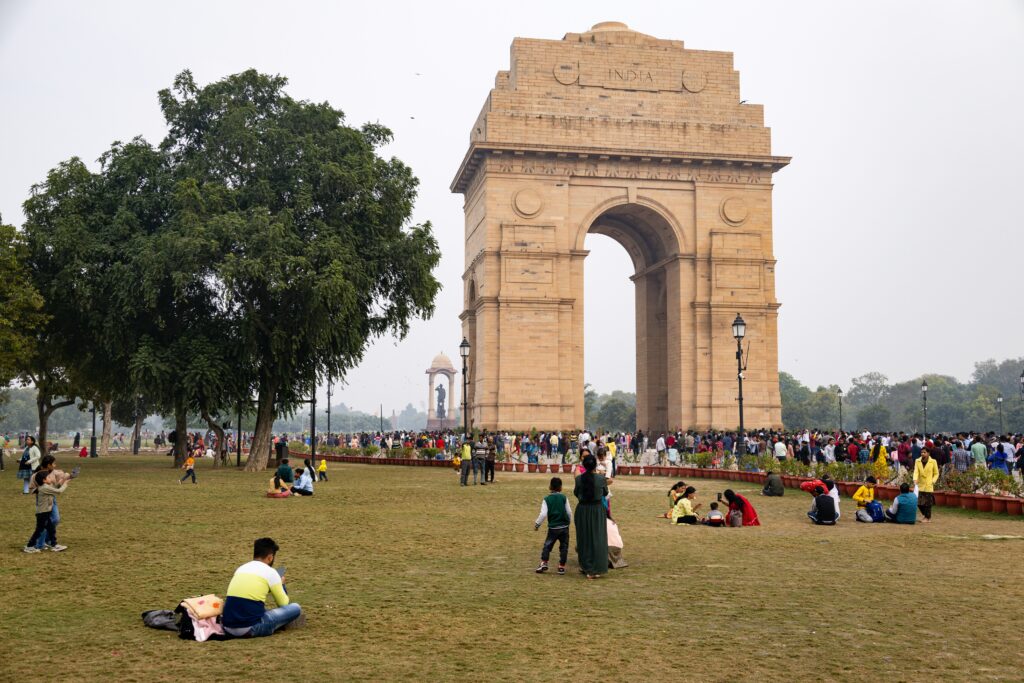
Take a cab from Old Delhi to India Gate (~25–30 min depending on traffic)
Formerly known as the All India War Memorial, this is another one of Delhi’s most famous landmarks. The India Gate is a war memorial dedicated to the 84,000 soldiers of the British Indian Army who died during WWI. The gate was inaugurated in 1931, and its architecture is often compared to the Gateway of India in Mumbai and the Arc de Triomphe in Paris.
You can walk around the India Gate lawns and enjoy a morning stroll , Click photos of this war memorial dedicated to Indian soldiers. If you’re tired a little then you can also Relax in the green lawns, often filled with locals and tourists.
11:30 AM – 1:00 PM | Connaught Place (Lunch & Exploration)
Bangla Sahib Gurudwara (11:30 AM – 12:10 PM)
From India Gate to Bangla Sahib it took around (~10 min by cab/auto).
Bangla Sahib is a beautiful Sikh temple in Delhi, known for its golden dome, serene pond, and spiritual atmosphere. It’s a place of peace, devotion, and community service.
“You can offer prayers, admire the stunning architecture, participate in the langar (community meal), and enjoy the calm surroundings.”
How to Spend 48 Hours in Jaipur: A Simple & Fun 2-Day Itinerary.
If you’re planning a quick getaway and want a mix of culture, history, good food, and pretty views — Jaipur is the perfect place. The Pink City is colorful, royal, photogenic, and easy to explore in just two days. Here’s a simple, friendly guide to help you make the most of your 48 hours in Jaipur.
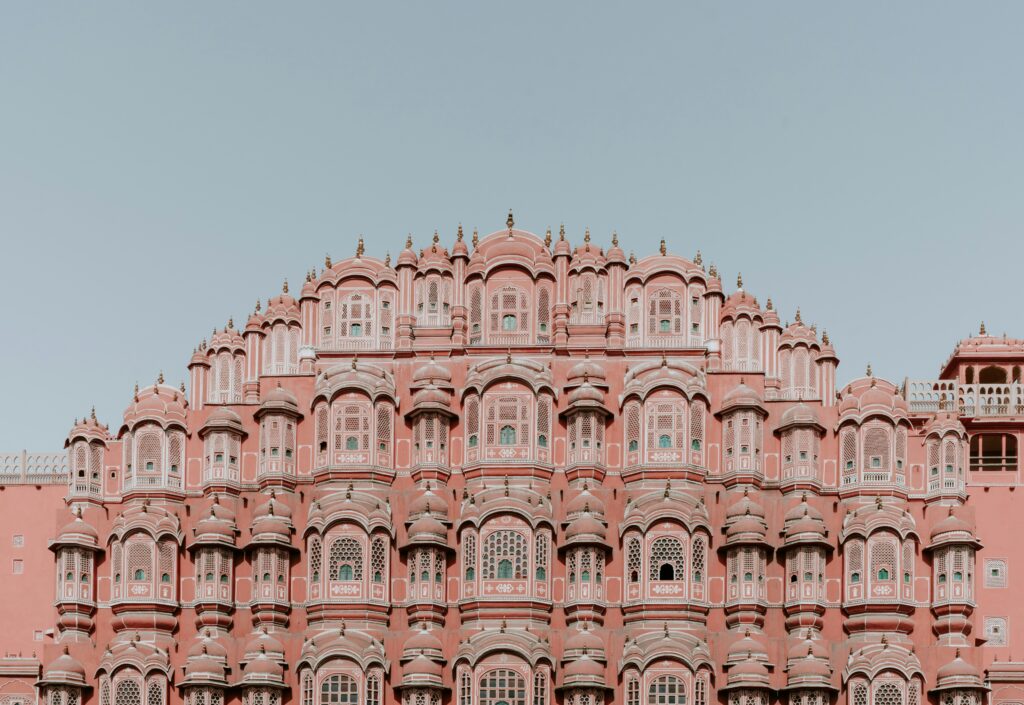
Day 1 — Exploring Jaipur’s Royal Side
Morning: Amber Fort and Jal Mahal
Amber fort
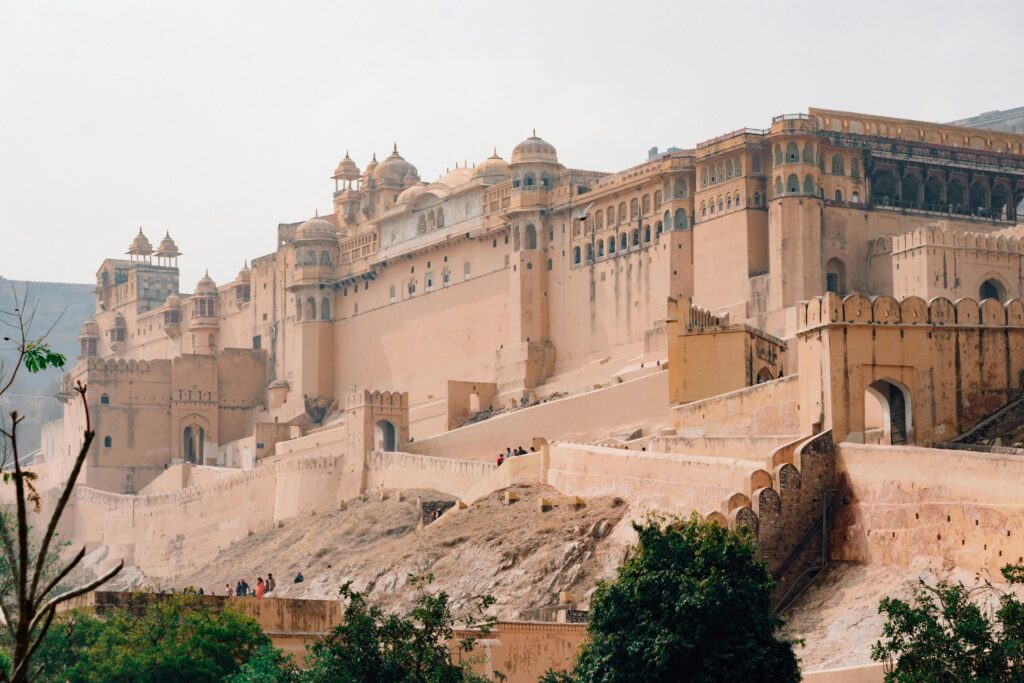
I started my day bright and early at 8 AM with a visit to Amber Fort, about 11 km from the city center. As I approached the fort, its grandeur took my breath away. The fort is a stunning mix of Rajput and Mughal architecture, with massive walls, intricately carved gates, and the famous Sheesh Mahal (Mirror Palace) that sparkled like a thousand tiny stars in the morning sunlight.