
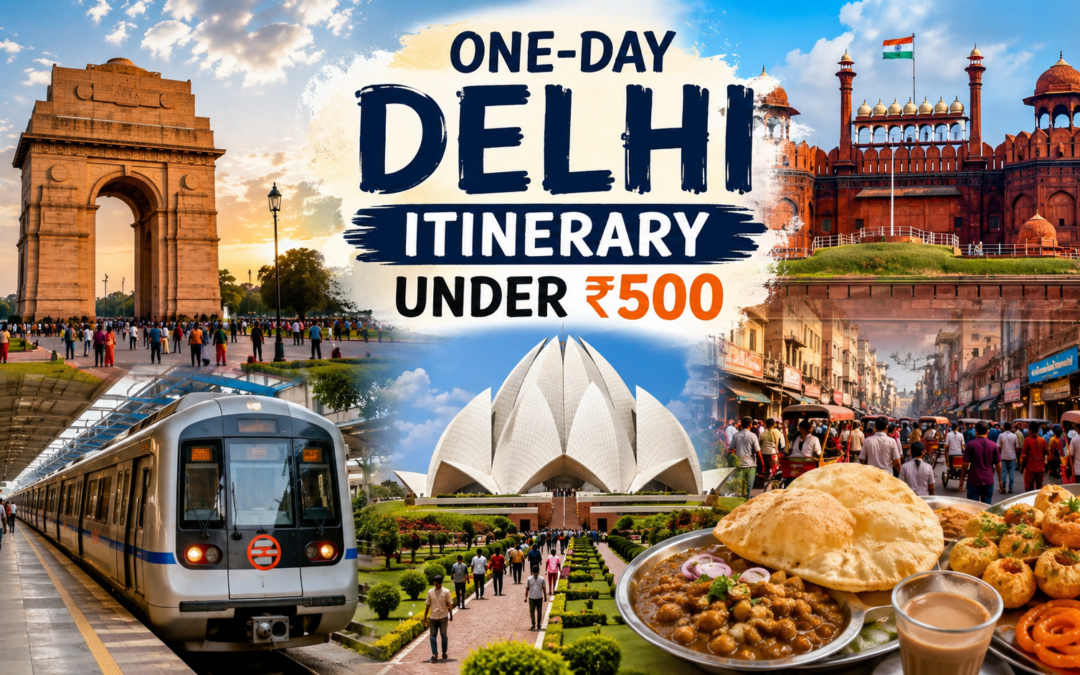
Think you need thousands of rupees to explore Delhi? Not at all. With a little planning, you can visit some of the city’s most famous attractions, enjoy authentic street food, and travel comfortably using the Delhi Metro — all while staying within a budget of ₹500.
I’ve followed a similar route more than once while showing friends around Delhi. Instead of relying on cabs, we used the Delhi Metro and explored some of Delhi’s most famous landmarks on a small budget. What surprised us most was that even after visiting historical sites and enjoying local street food, we still stayed well within ₹500. That’s why I often recommend this itinerary to anyone looking for an affordable way to experience Delhi.
If you’re a student, solo traveller, couple, or first-time visitor, this itinerary will help you experience the best of Delhi without spending a fortune.
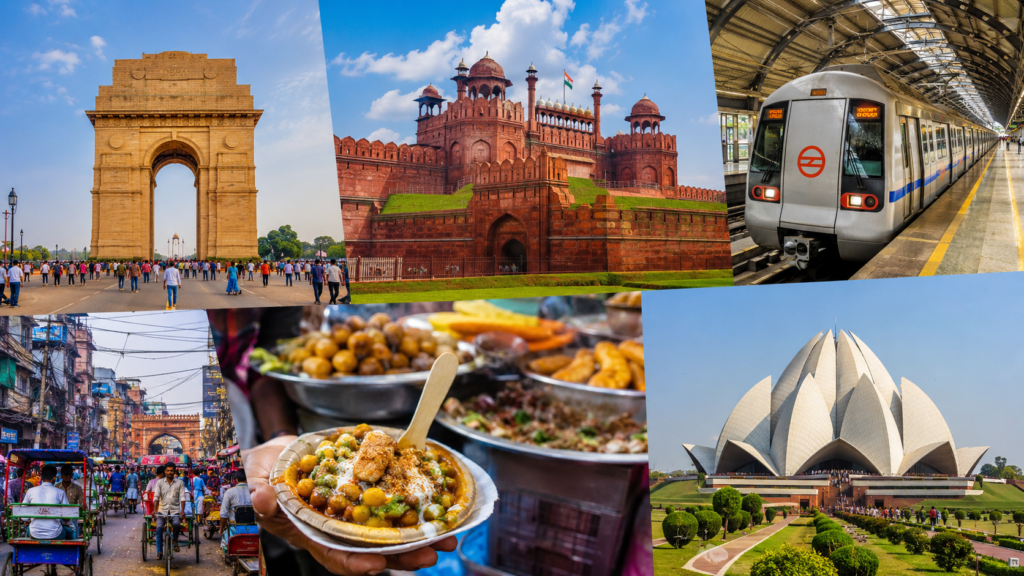
Can You Really Explore Delhi Under ₹500?
Yes — comfortably, in fact. Delhi’s Metro network, affordable street food, and several free or low-cost attractions make a full day of sightseeing possible without overspending. The trick is picking a route that keeps you on one or two Metro lines and avoiding cabs for short hops.
Real Cost Breakdown for a ₹500 Delhi Day
| Item | Approx. Cost |
|---|---|
| Metro travel (multiple rides across the day) | ₹80–120 |
| Breakfast (chole bhature / paratha + chai) | ₹60–80 |
| Humayun’s Tomb entry (Indian nationals) | ₹35 |
| Lotus Temple entry | Free |
| India Gate | Free |
| Evening street snack (chaat / bhelpuri) | ₹40–60 |
| Water + miscellaneous | ₹30–50 |
| Total | ₹245–345, leaving a buffer for extra snacks or a Metro card top-up |
Prices are approximate as of 2026. Metro fares and monument entry fees are revised periodically, so it’s worth checking the DMRC app and the ASI (Archaeological Survey of India) website before you go.
Most travellers can comfortably complete this itinerary within a ₹500 budget. Your total expense usually includes Metro travel, meals, snacks, and any applicable entry fees. Actual costs may vary depending on your food choices, transport, and current ticket prices. Keeping a small buffer in your budget is always a good idea for unexpected expenses.
Why Delhi Works So Well for Budget Travellers
Delhi offers a rare mix of history, culture, shopping, food, and reliable public transport in one compact route. You can start the day among centuries-old Mughal monuments, eat some of India’s best-known street food for lunch, unwind in a garden by evening, and get between all of it on the Metro — no cabs required.
Some of the city’s most memorable experiences, like walking through Old Delhi’s lanes or watching the sunset at India Gate, don’t cost anything at all.
Best Time to Follow This Itinerary
October to March is ideal, with daytime temperatures in a comfortable 15–25°C range — good for a walking-heavy day. If you’re travelling in peak summer (May–June), when afternoons can cross 40°C, start early and adjust the order so indoor or shaded stops fall in the hottest hours. During the monsoon, carry a compact umbrella.
Morning: Explore the Heart of Old Delhi
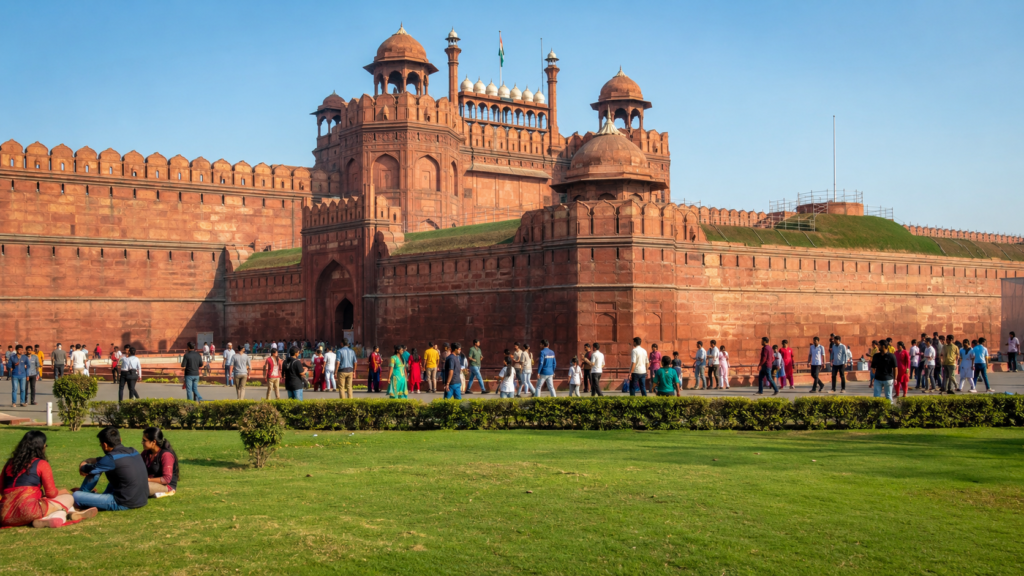
Start around Red Fort and Jama Masjid, two of Delhi’s most recognisable landmarks. Even without going inside every monument, simply walking through Old Delhi’s streets is worth the trip.
From there, head into Chandni Chowk, one of India’s oldest markets. Narrow lanes, spice shops, and heritage buildings create an atmosphere that’s hard to find anywhere else in the city.
Before moving on, grab breakfast from a busy local eatery — chole bhature, bedmi puri, stuffed parathas, or a cup of hot masala chai are all affordable and authentic.
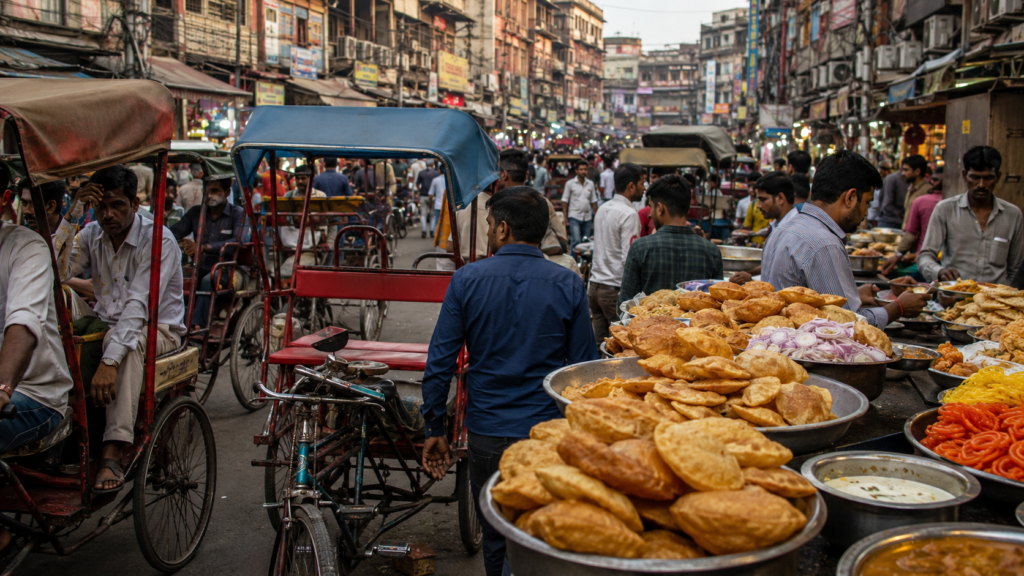
Travel tip: Pick stalls that are busy with locals rather than the ones aimed at tourists — turnover means fresher food and usually a fairer price.
Afternoon: Delhi’s Iconic Landmarks
After breakfast, take the Metro — the fastest and cheapest way to cover ground in Delhi.
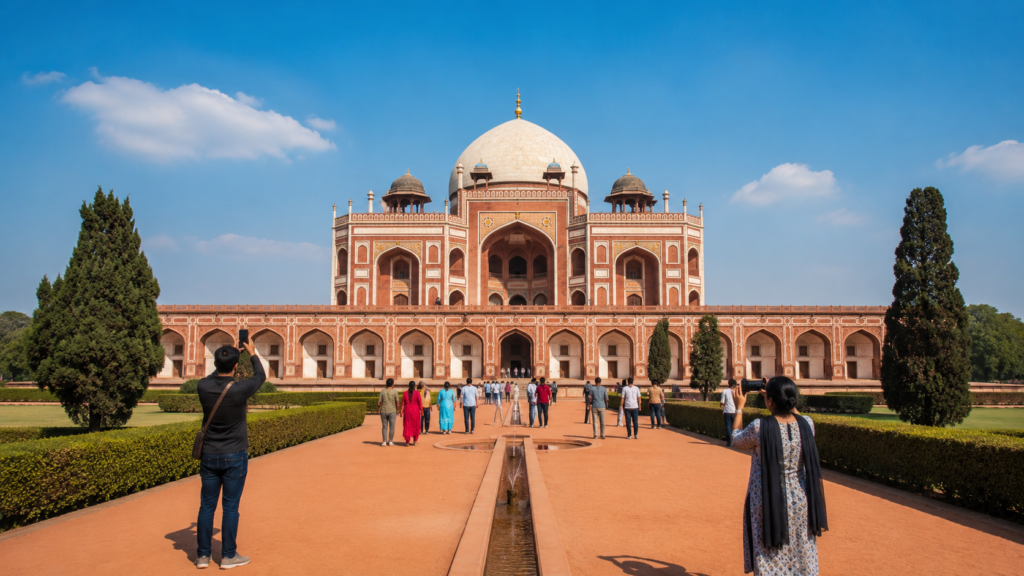
Your next stop is Humayun’s Tomb, one of the city’s most striking heritage sites and a UNESCO World Heritage Site. Its gardens and Mughal architecture make it a strong spot for photos and a slower-paced walk.
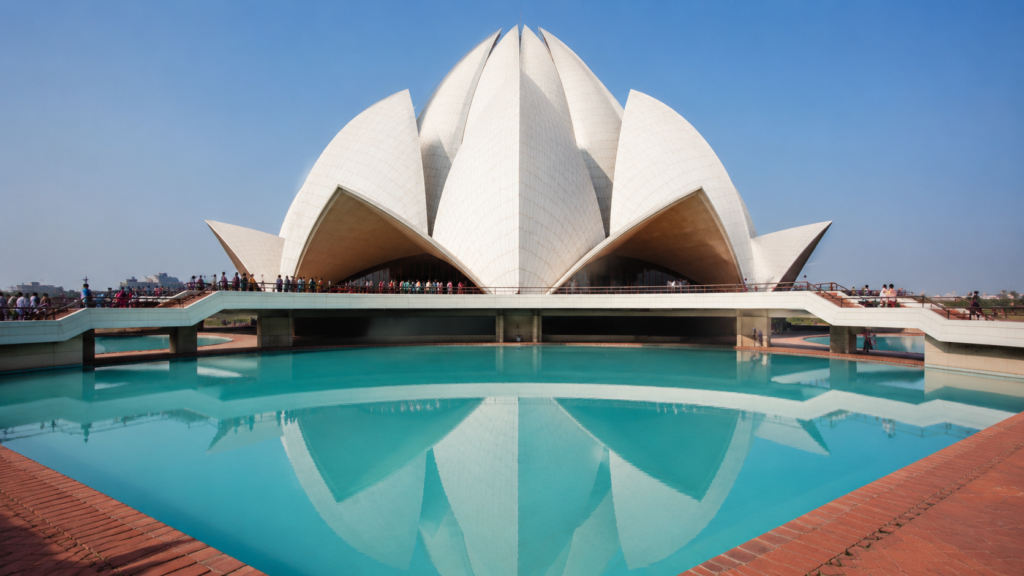
From there, head to the Lotus Temple. Its lotus-shaped structure draws visitors from around the world, and the prayer hall inside offers a genuinely calm break from the city’s noise.
Next, make your way to India Gate. There’s no entry fee, and the lawns around it are a good spot to sit, people-watch, and take photos.
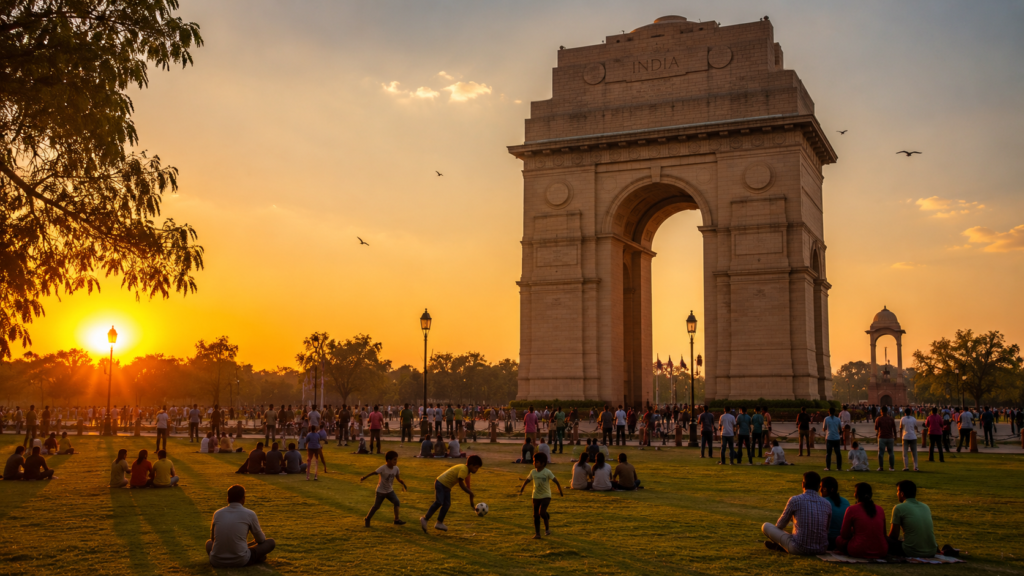
If you’re hungry, pick up chaat, roasted corn, or bhelpuri from a nearby street vendor — cheap, filling, and a Delhi essential.
Evening: Shopping or Relaxation
How you close the day depends on what you’re in the mood for.
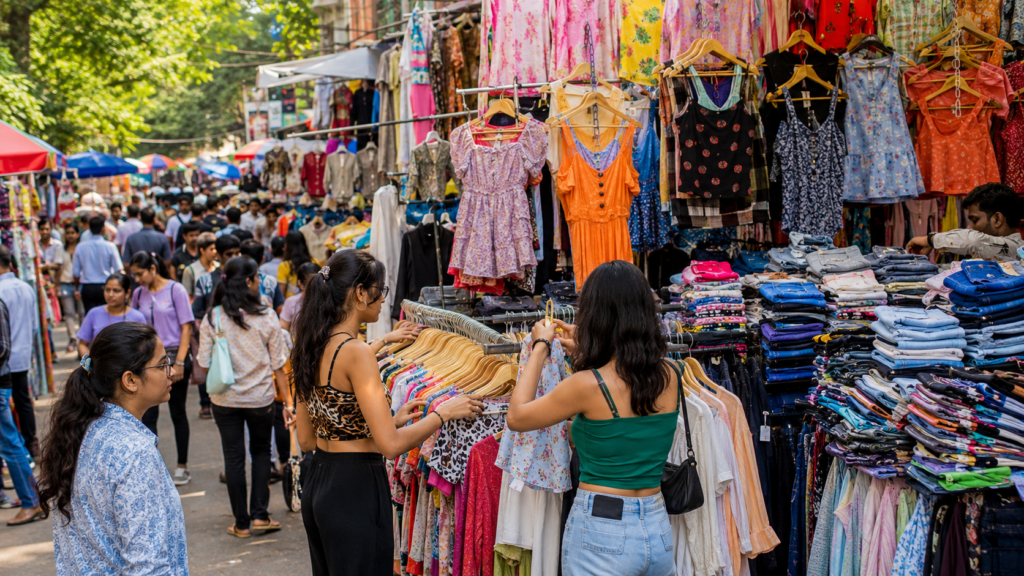
If you like shopping, Sarojini Nagar Market has trendy, budget-friendly clothes and accessories. Even window-shopping here is worth the visit.
If you’d rather wind down quietly, Lodhi Garden is a good alternative — lush greenery and historic tombs make it a peaceful place to end a busy day.
Both are well connected by Metro, so getting there won’t add much to your travel budget.
Budget Travel Tips
- Use the Delhi Metro instead of cabs for anything under 5 km.
- Carry a reusable water bottle to cut down on bottled water costs.
- Wear comfortable walking shoes — this itinerary involves a fair amount of walking.
- Start early to beat both crowds and, in summer, the heat.
- Keep some cash on hand along with UPI for small vendors who may not accept cards.
- Check monument opening hours in advance — several close on Mondays or specific weekdays.
What to Carry
A light backpack with a water bottle, power bank, sunglasses, sunscreen, comfortable shoes, and a government ID (needed for some monument entries) covers most of what you’ll need. In monsoon season, add a compact umbrella or raincoat.
Common Mistakes to Avoid
The most common way travellers blow this budget is by defaulting to cabs for short distances, eating exclusively at tourist-facing restaurants, or trying to cram in too many attractions. A slightly slower, well-planned day is both cheaper and more enjoyable than a rushed one.
Who Should Follow This Itinerary?
This route suits students, solo travellers, backpackers, couples, and families looking to see Delhi’s highlights without overspending — and it’s especially useful for first-time visitors who want an efficient, low-cost introduction to the city.
Frequently Asked Questions
Is ₹500 enough for a one-day trip to Delhi?
Yes. A typical day runs ₹245–345: around ₹100 on Metro fares, ₹150–200 on food across breakfast and street snacks, and ₹35 for the only paid monument on this route (Humayun’s Tomb). Lotus Temple and India Gate are free.
Which transport is best for sightseeing in Delhi?
The Delhi Metro. Every stop on this itinerary — Old Delhi, Humayun’s Tomb, Lotus Temple, India Gate — is within a 10–15 minute walk of a Metro station, and total fares for the day typically come to ₹80–120.
What is the best season to visit Delhi?
October to March, with daytime temperatures in a comfortable 15–25°C range. Avoid peak summer (May–June) if possible, when afternoon temperatures can exceed 40°C.
Is Delhi safe for solo travellers?
Delhi is generally safe for daytime sightseeing along well-trafficked tourist routes like Chandni Chowk, India Gate, and the Metro network. Standard precautions — staying alert in crowded markets, securing valuables, and using licensed transport — apply here as they would in any major city.
Conclusion
Exploring Delhi doesn’t have to be expensive. With smart planning, public transport, and a bit of curiosity, you can experience the city’s history, food, markets, and landmarks in a single day without spending more than ₹500.
If this guide helped you plan your trip, explore more Delhi travel guides, budget itineraries, and weekend getaway ideas on ExploreNChill.online.